|
|
water treatment flocculation chemicals
|
|
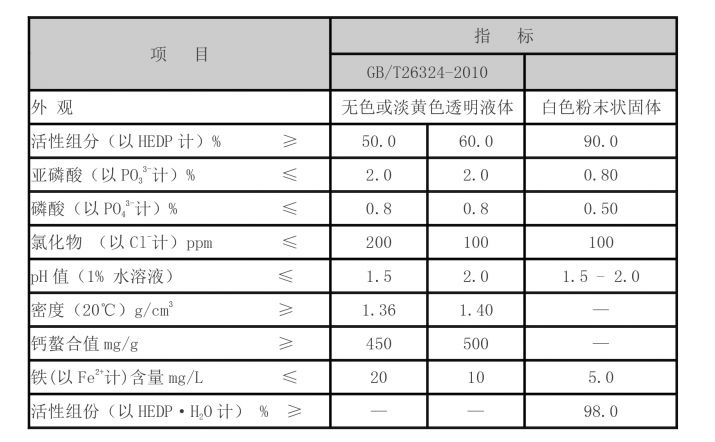
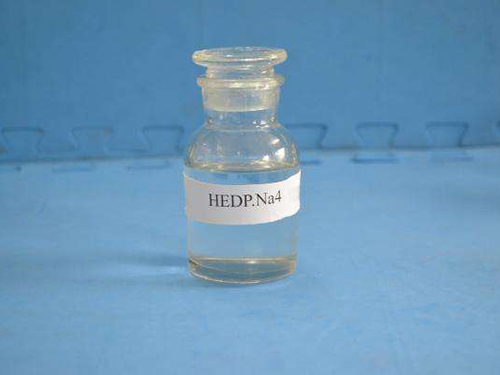
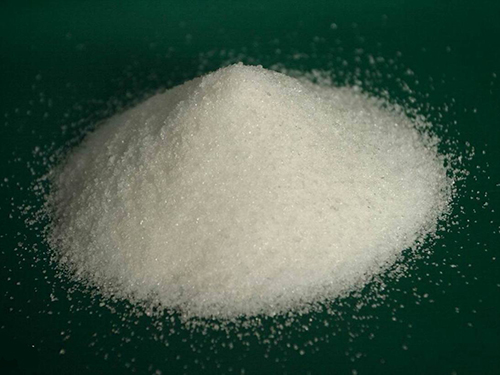
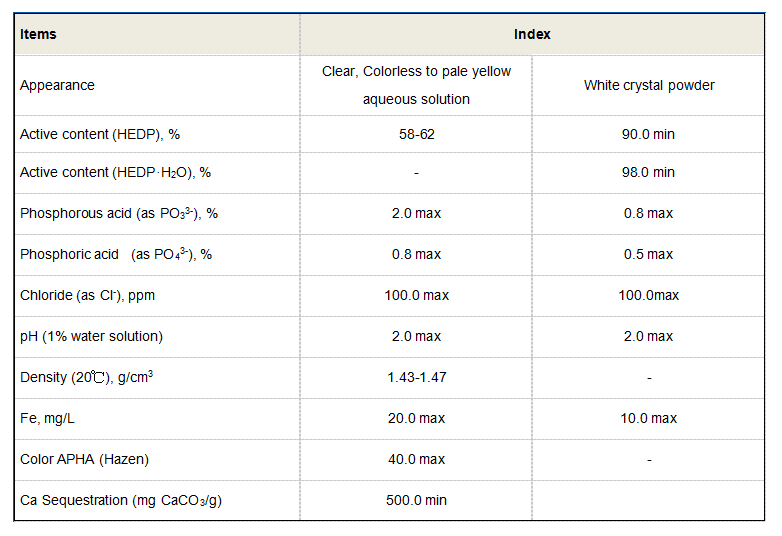
hedp scale inhibitor / hedp / 1 hydroxy ethylidene 1 1 diphosphonic acid hedp / 1 hydroxyethylidene 1 1 diphosphonic acid hedp / hedp 4na / hedp 60 / hedp acid / hedp na2 / hedp na4 / hedp ph / hedp phosphonate / hedp water treatment / sequest hedp / cas no. 37971-36-1: LKP BTC is a leading producer of "HEDP" (Hydroxyethylidene Diphosphonic Acid), a highly effective "scale inhibitor" and "phosphonate." They supply it in various forms: as "HEDP acid" and as its sodium salts ("HEDP 4Na", "HEDP Na2", "HEDP Na4") with different concentrations like "HEDP 60." This organic "phosphonate" is a superb chelating agent ("sequest HEDP") that inhibits scale formation and controls corrosion in "water treatment" systems. Its CAS number is 37971-36-1.
|
|
|
|
|
|
cas no 2682 20 4
|
|
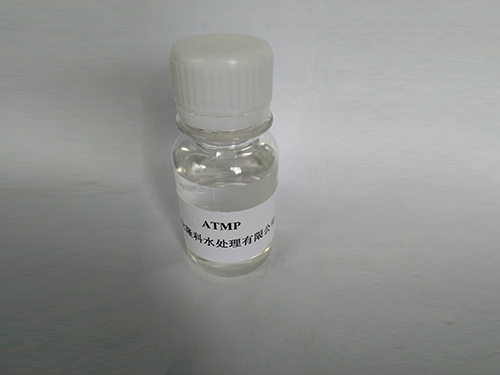
amino trimethylene phosphonic acid / atmp / atmp scale inhibitor / atmp antiscalant / atmp price / amino trimethylene phosphonic acid uses / atmp manufacturing / atmps / atmp production / cas no 6419 19 8 / 6419 19 8 / cas 6419 19 8 / 6419 19 8 cas: A fundamental product for LKP BTC is "ATMP" (Amino Trimethylene Phosphonic Acid). They are a top "manufacturer" involved in the entire "production" process. ATMP is a widely used "phosphonate" that serves as an effective "scale inhibitor" and "antiscalant" in water treatment systems, particularly for carbonate scales. Its CAS number is 6419-19-8.
|
|
|
|
|
|
heating corrosion inhibitor
|
|
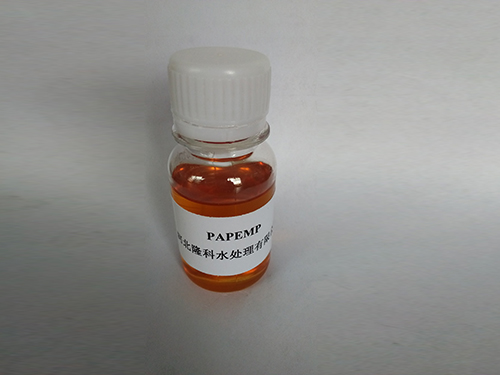
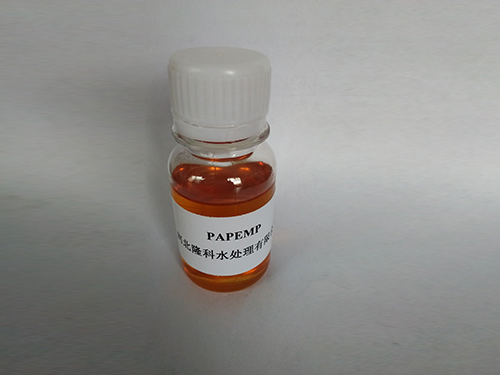
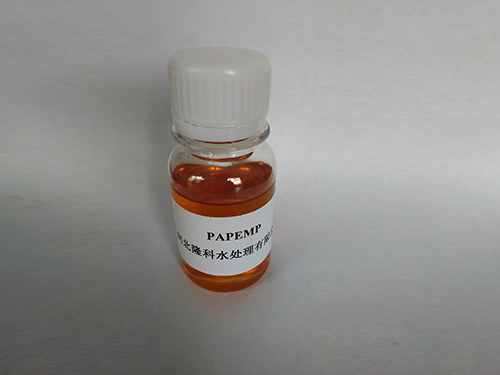
polyamino polyether methylene phosphonic acid / papemp chemical / papemp phosphonate / papemp scale inhibitor / polyamino polyether methylene phosphonate: LKP BTC produces "PAPEMP" (Polyamino Polyether Methylene Phosphonic Acid), a high-end "phosphonate" "scale inhibitor." Known for its exceptional tolerance to high calcium levels and its ability to inhibit scale in high-pH and high-temperature applications, it is one of the most effective inhibitors for calcium carbonate and calcium phosphate.
|
|
|
|
- replaceable digital ph electrode for controllers factory Services
|
|
sodium hedp / zn hedp: LKP BTC produces "sodium HEDP," the sodium salt of Hydroxyethylidene Diphosphonic Acid, which is easier to handle and dissolve than the acid form. "Zn HEDP" likely refers to a formulation where HEDP is used to stabilize zinc salts in corrosion inhibitor blends, providing cathodic protection.
|
|
|

|
chelating agent chemistry
|
|
sodium hedp / zn hedp: LKP BTC produces "sodium HEDP," the sodium salt of Hydroxyethylidene Diphosphonic Acid, which is easier to handle and dissolve than the acid form. "Zn HEDP" likely refers to a formulation where HEDP is used to stabilize zinc salts in corrosion inhibitor blends, providing cathodic protection.
|
|
|
|
|

|
antiscalant chemical for ro plant
|
|
amino tri methylene phosphonic acid / amino trimethylene phosphonic acid atmp / amino tris methylene phosphonic acid / atmp 50 / atmp acid / atmp phosphonate / formation atmp: LKP BTC produces "ATMP" (Amino Trimethylene Phosphonic Acid), a powerful "phosphonate" scale and corrosion "inhibitor." They offer it in common concentrations like "ATMP 50." The "formation" of ATMP involves a specific chemical synthesis process that LKP BTC has mastered to ensure high purity and effectiveness for industrial water treatment.
|
|
|
|
|
|
replaceable digital ph electrode for controllers factory Special Activities
|
|
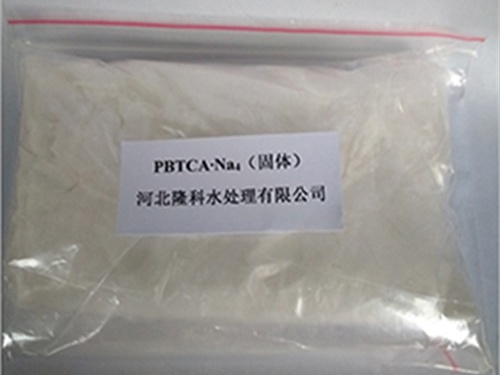
pbtc scale inhibitor / pbtc / pb tc / phosphono butane 1 2 4 tricarboxylic acid / pbtc chemical / pbtc chemical uses / pbtc phosphonate / pbtc tricarboxylic acid / 2 phosphonobutane 1 2 4 tricarboxylic acid / pbtca / cas 40372 66 5 / 40372 66 5 / cas 40372-66-5 / 40372-66-5 / 2 phosphonobutane 1 2 4 tricarboxylic acid uses: LKP BTC manufactures "PBTC" (Phosphonobutane Tricarboxylic Acid), a high-performance "scale inhibitor." This "phosphonate" compound is known for its excellent ability to inhibit calcium carbonate scale and its stability in high-temperature and high-pH conditions. Its "chemical uses" are extensive in cooling water systems, desalination plants, and detergents. The CAS number for PBTC is 40372-66-5.
|
|
|
|
|
|
|
|
replaceable digital ph electrode for controllers factory Hot Activities
|
|
corrosion inhibitor ech / heating corrosion inhibitor / chilled water corrosion inhibitor / condensate corrosion inhibitor: LKP BTC formulates specific "corrosion inhibitors" for closed-loop heating and cooling systems. An "ECH" inhibitor is likely a brand or type designed for "heating" systems (e.g., boilers, radiators). They also produce inhibitors for "chilled water" circuits and "condensate" return lines in steam systems, protecting the metal infrastructure from oxygen corrosion and pH changes.
|
|
|
|
|
|
|
|
Our Awesome Activities
|
|
2 phosphonobutane 1 2 4 tricarboxylic acid / pbtc / pbtc 50 / pbtc chemical / pbtc net / pbtc tricarboxylic acid / phosphonobutane tricarboxylic acid / pbtc price / pbtc scale inhibitor / cas no 37971 36 1 / 37971 36 1 / cas 37971 36 1: LKP BTC is a leading manufacturer of "PBTC" (2-Phosphonobutane-1,2,4-Tricarboxylic Acid). This high-performance "chemical" is a superb "scale inhibitor," particularly effective against calcium carbonate and also functioning as a corrosion inhibitor. They supply it in common concentrations like "PBTCA 50%" and provide technical data including its MSDS. Its CAS number is 37971-36-1.
|
|
|
|
|
|
|
|
|
|
|
|
|
|
|
|
|
|
|
|
|
|
|
|
|
|
|
|
|
|
|
|
|
|
What Our Clients Say
|
|
anionic polyacrylamide / anionic polyacrylamide flocculant / anionic pam / anionic polyacrylamide price / anionic polyacrylamide uses: LKP BTC produces "anionic polyacrylamide" (A-PAM). This type of PAM carries a negative charge and is primarily used as a "flocculant" in mineral processing, coal washing, and sand washing to aggregate inorganic particles like clays and metal oxides. The "price" varies based on the degree of hydrolysis.
|
|
|

|
|
|
We had a minor customs issue at our port. Storaen support worked with the freight forwarder to resolve it immediately.
|
|
|
|

|
|
|
I couldn't find any information about lead times on the product pages. You have to request a quote to find out, which is a minor inconvenience.
|
|
|
|
|